
CASE STUDY
Electrical & Electronic ManufacturingTen years. 30,000 volts. Zero field failures.
How one epoxy helped a high-voltage component manufacturer simplify production and deliver a decade of dependable performance.
The challenge
When you’re building components for radar systems, X-ray imaging equipment, and high-voltage electronics, there’s not much room for error.
Our customer manufactures high-voltage and high-current assemblies used in demanding applications, including radar, communications, imaging, and laser systems. These components operate under extreme electrical and thermal conditions, and the materials inside them have to perform just as reliably as the electronics themselves.
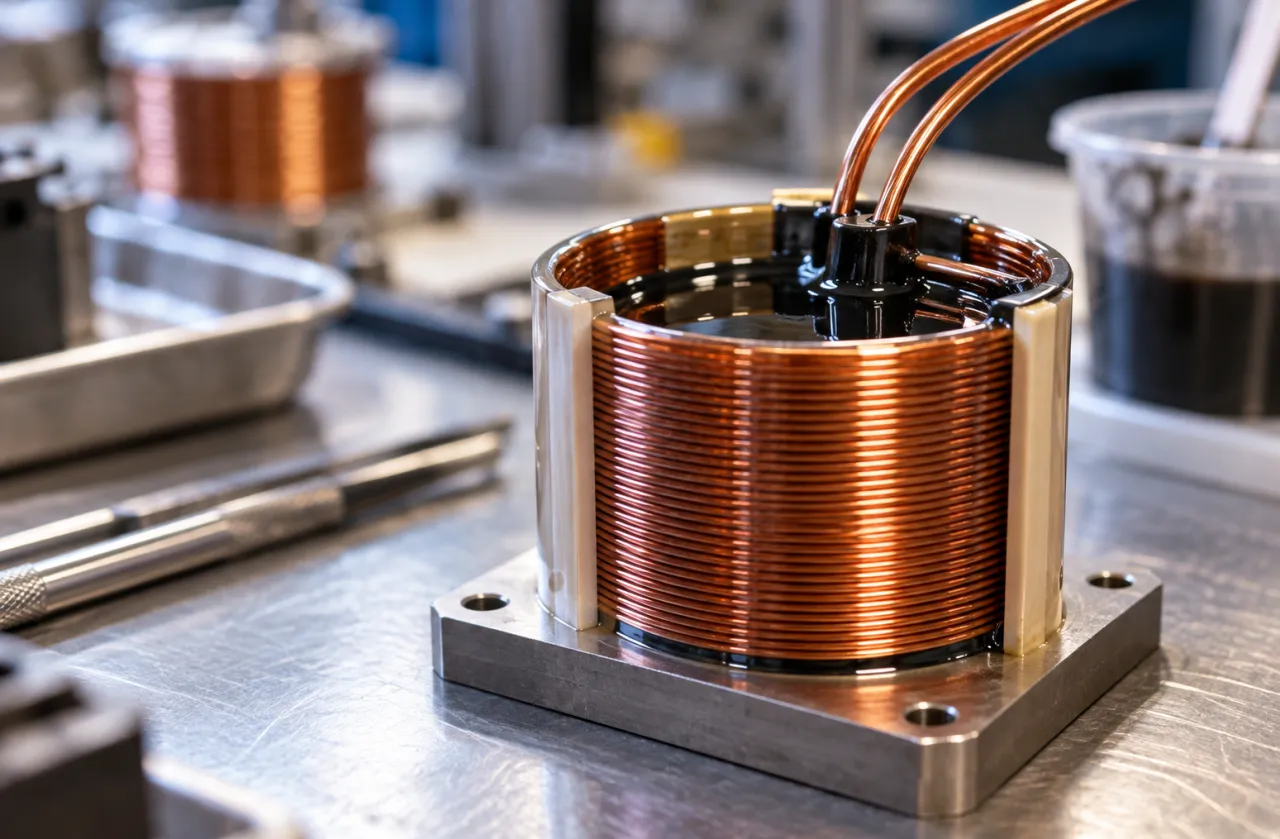
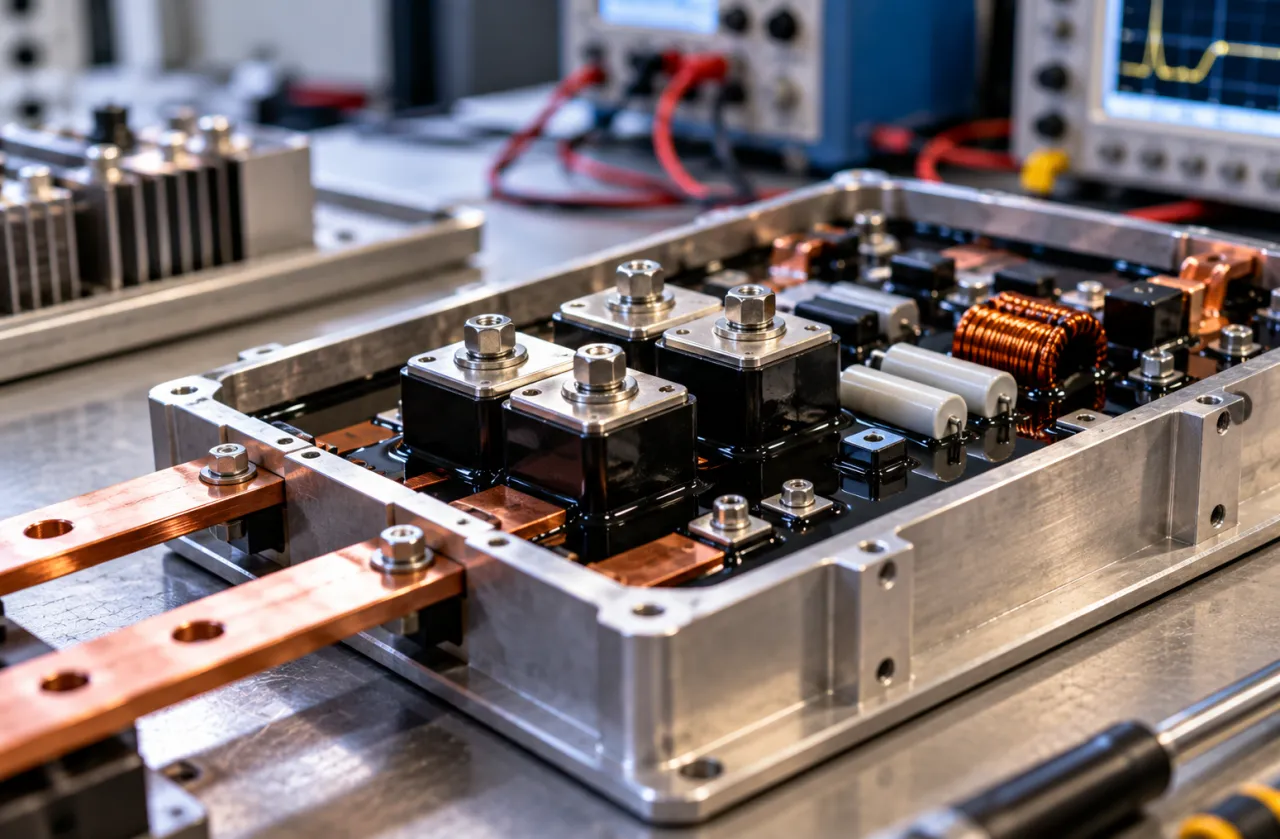
In a high-voltage rectifier, the encapsulating epoxy does more than protect the components. It provides critical electrical insulation, preventing breakdown at tens of thousands of volts. In high-current applications, it also needs to conduct heat away from sensitive semiconductors.
And the finished assemblies have to withstand rigorous qualification testing, including high-temperature burn-in, cold operation, thermal shock, and temperature cycling.
Our customer was already using three different Anchor Seal epoxies, each with its own performance characteristics and mixing requirements. All three had their place, but maintaining multiple materials and mix ratios added complexity to the manufacturing process and created opportunities for error.
They wanted to simplify production without compromising performance.
One epoxy, fewer complications
Working with the manufacturer, we identified SY6009HK as the material that could meet their most demanding requirements across applications.
It offered the combination they needed: high dielectric strength, strong thermal conductivity, and performance across a wide operating temperature range.
Standardizing on one epoxy meant fewer materials to manage, one consistent mix ratio for operators, and one less variable to worry about on the production floor.
But choosing the right material was only part of the job. Once a manufacturer qualifies an epoxy for a critical application, consistency becomes just as important as the original formulation.
Our responsibility is to make sure the material they receive today performs like the material they qualified years ago.
For this customer, that means dependable batch-to-batch performance and technical documentation that supports their qualification requirements. Our data sheets become part of their qualification packages, and the epoxy continues to perform through the testing their assemblies demand.
When a new design pushes the limits, we go back to the numbers. Our customer shares the voltage, current, and temperature requirements, and our chemists work through the application, ask questions, and run bench trials before sending a sample.
The goal is to give the manufacturer confidence in what goes into the assembly before it ever reaches the field.
The outcome
One of the manufacturer’s 30 kV rectifier assemblies has now been in use for approximately ten years without a single reported field failure attributable to the epoxy.
The material has also passed every military qualification test the manufacturer has put it through, from high-temperature burn-in to thermal shock and temperature cycling.
Then came another challenge. The manufacturer’s end customer wanted a redesigned assembly capable of handling twice the current at the same voltage.
More current means more heat, so the manufacturer redesigned the assembly to improve thermal management. But one part of the design didn’t need to change: the epoxy. They kept SY6009HK.
For our customer, that meant retaining a material they already knew, understood, and trusted, even as the performance demands of the finished product increased.
And for us, it’s a pretty good example of why consistency matters so much. The best formulation isn’t just one that passes the first round of tests. It’s one that keeps performing, year after year, as the products around it evolve.
The epoxy has always performed regardless of whatever test we’ve put it through.
Building something that can’t afford to fail?
Tell us what you’re working with—voltage, current, operating temperatures, and the performance requirements your material needs to meet. We’ll help you figure out the right formulation for the job.